
A Sequel Nobody Asked For
thoughts before my 2nd brain surgery

The day before my first surgery, I wrote about what I learnt from having a pituitary tumor to commemorate my last day living with the tumor. Little did I know, that was certainly not my last day with the tumor. Because of its tricky position, I still have 20% of the tumor left in my brain, which requires a repeat surgery for (hopefully) full removal. Before stepping1 into the OR again tomorrow, I wanted to write a sequel, sharing some new reflections since the first surgery.
The Fragility of Life
I had never felt that sick before - the type of sick you read about or watch on TV, but think will never happen to you.
About 10 hours after I got out of the OR, I took my first few steps down the hospital hallway. Holding onto the IV pole, I inched forward arduously. The headaches that were still present with medical opioids, the remaining anesthesia, the nausea, and the fact that I hadn’t eaten anything in 24 hours made 30 feet feel unreachable.
It’s incredible how one day I’d be writing a blog post and going on a run, and the second day, I would lose mental clarity and physical strength altogether. I can say some things about treasuring our health or the level of freedom it brings, but I want to try to get at something deeper here that I don’t quite know how to put into words yet.
Life is fucking fragile. Like, we can really just lose the assured continuation of life that we’ve always lived with. We think and plan like we are going to work another 40 years and live another 30 years after that (which in many worlds is true), but also, you might not. Life and everything that comes with it can just disappear overnight, and we might not be able to do anything about it.
Playing the Deck of Cards I’m Dealt With
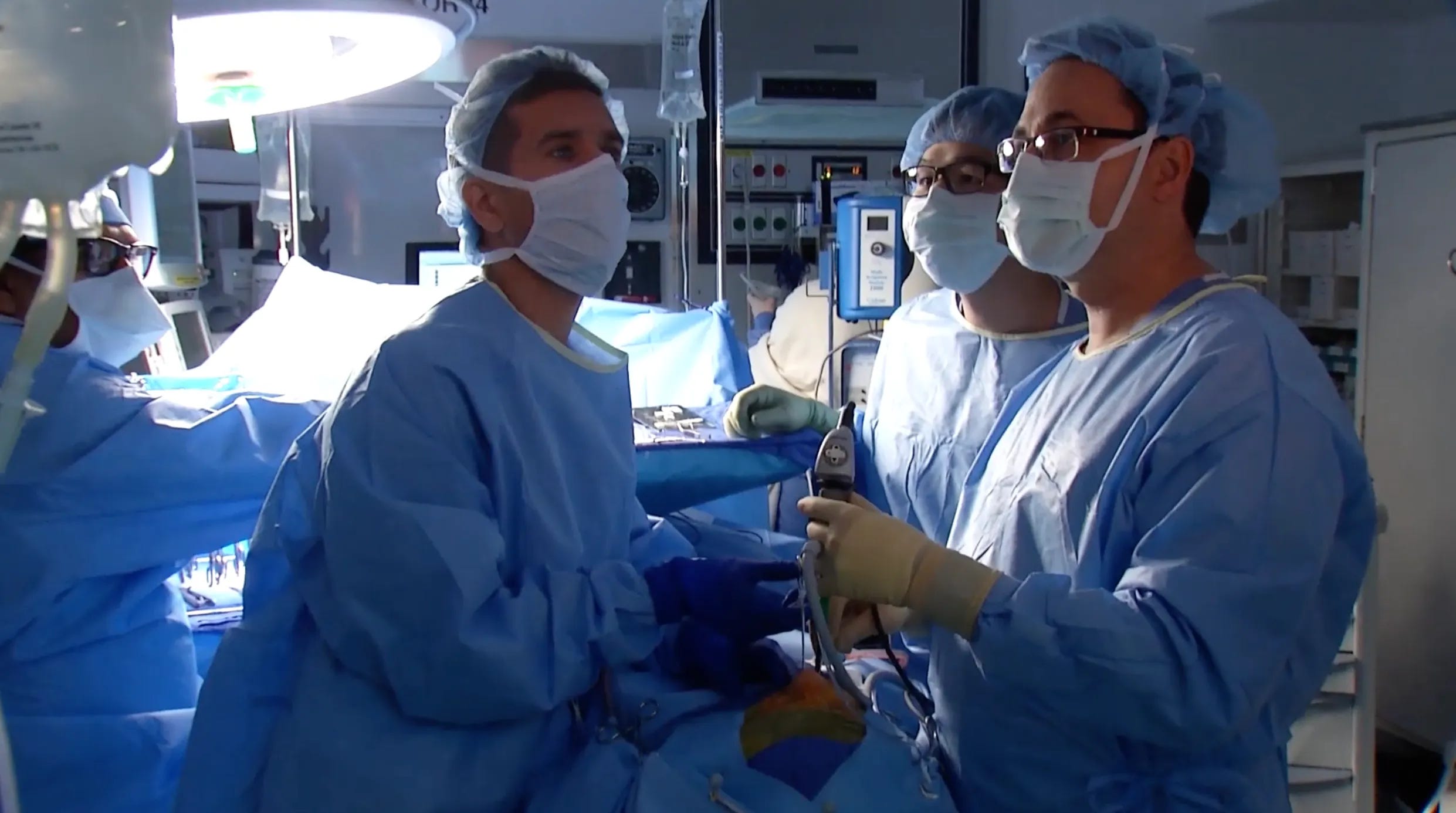
Six weeks post-op, I had a panel of pre-scheduled doctor’s appointments to review my new MRI and blood work and discuss next steps. Andrew and I took the Zoom meeting at a random Starbucks outside of my ENT’s office so I could go to the ENT appointment right after. We had known that my prolactin (the hormone secreted by the tumor) level was still high, and expected follow-up medications. What we did not expect was for my neuroendocrinologist to recommend a repeat surgery because the biopsy results showed that the tumor, although benign by definition, had a few aggressive features.
I was too shocked to remember what the neuroendocrinologist said for the rest of the meeting, but these phrases echoed over and over in my head in the following weeks:
I’ve seen many cases, and your case is the kind where we get a little worried…
The tumor’s growth rate is lower than a metastatic tumor, but higher than a normal benign tumor..
I have a patient who made suboptimal choices at first, which led to 2 rounds of radiation and 6 rounds of surgery…
How we define benign and cancerous is a bit iffy…
If left untreated, this could invade surrounding structures like the cavernous sinus or the brain stem…
We spent the rest of the appointment talking about my hobbies because we were too shocked to figure out what else to ask him, and he didn’t have much more to offer. The gentle morning sunlight and the manicured suburban streets cast a stark contrast with the harsh news. I felt like I was sitting on a movie set - it can’t be real that I am the unlucky few.
Andrew teared up, looking at me sitting in my patient chair while we waited for my next appointment and whispered, “I’m sorry.” “Stupid, why are you sorry?” “I don’t know, maybe I could’ve helped you find it earlier..” I didn’t cry because I couldn’t grasp the seriousness of the issue - I wasn’t sure if I was dying or had a chance of dying. If that’s the case, I felt like I had to put on a strong face. Crying is a privilege. I can cry when I am not at war.
My neurosurgeon sensed that we were perhaps disproportionately concerned and spent much of the appointment reassuring us that the situation is neither irreversible nor urgent. He said I can give myself a month or two until the next surgery. Surprisingly, he insisted that medication was still an option, and it’s up to me to decide. I hated having to make this decision.
It felt wrong to choose to put myself through another surgery, another recovery period, and lots more pain, even though the right choice was logically obvious. I felt angry at the deck of cards that I was dealt, but I am angrier at the fact that I have no choice.
For the last few months, I felt stuck — limited by the pain, the exhaustion, and the fact that life is harsh even when I’m trying my best. I did everything right to accelerate recovery after my first surgery, but still got very sick during the vacation Andrew and I had planned months before. I’d set out to have a fulfilling weekend, but ended up feeling too exhausted to do the things I planned to do. The hardest yet was the unpredictable mood swings, which are possibly a result of my new hormone levels. I would go about a day normally, and out of nowhere, something trivial would kick me right down an anxious or depressive spiral.
When I talked to my new friend V about feeling like my best is not enough, he said, “But your best is the best you can do.” So I’ve just been trying my best, one day at a time. I guess if I am stuck with this deck of cards, I’d better try to play it optimally.
“How do you feel?”
I’ve grown to love and hate this question. I really appreciate my friends asking and caring, but most of the time, I honestly don’t know how I am feeling2. I can’t fully comprehend what happened and what’s happening. Sometimes I feel completely normal, better than normal even, but sometimes I feel all the heavy emotions all at once. Fear, anxiety, anger, grief, and anticipation.
When I wrote my previous Substack post, I wasn’t scared because I didn’t know what to be scared of, but now I know, concretely and viscerally. I am scared of the ground shifting beneath me again.
1-3 in 10,000 people have prolactinomas, less than 10% of them go through surgery, and an extremely small portion of the biopsied tumors have a proliferation rate as high as mine. I don’t want to live life fearing the worst, but I sometimes can’t help but wonder, if this low-probability, random event can happen to me, what else can happen?
Life is too short not to have a purpose
The old and wise tell us, “Go chase your dreams now or they’ll stay dreams forever.” Perhaps, because the elderly vividly experience time’s passing, they are more present and deliberate about their remaining time on earth.
I felt existential when I woke up and realized that I only had 5 weeks, 5 days, or 5 hours before my next surgery. The scarcity of time, an abstract concept normally, is now a visceral experience. With dozens of options available to me at every moment, I feel the weight of my choices with this artificial countdown. I wanted to be part of Silicon Valley, the Musical, so when a last-minute opportunity came up, I jumped on it. The hours we spent at the theater rehearsing gave me more joy than anything else I’d experienced in a while. I went on runs, stretched, and lifted weights when I could, knowing that I’d lose the ability to do so soon. I spent time in the sun, went on hikes with Andrew, and savored the smell of summer. Having something to lose made mundane things feel more purposeful.
At the same time, I am more unsure about my broader purpose around work than I’d like. Until I found my most recent project on analyzing real-world agent transcripts to understand developer productivity, I didn’t feel like I was working on something that I felt compelled by. Somehow, I developed a more distinct gut feeling about things when it doesn’t feel right. For example, it doesn’t feel right to do anything that sacrifices bountiful joy today for some under-defined reward in the future. The discount value of happiness in my book is much lower than the present value of happiness.
This illness didn’t help me land on a thesis or a mission, but it brought urgency to the search. Now I know what it feels like when they say “life is short,” I feel more compelled to find my purposes.
While my last post had more of a concrete message to it, this post has no grand realization. This series of somewhat disconnected thoughts is my lived experience, because I honestly don’t know what to take away from this experience yet. Don’t be afraid to ask me how I’m feeling :) and go spend some active time outside for me when I can’t <3
which really is getting rolled into the OR. It’s sort of dramatic in my opinion, but even though I can totally walk myself in, I wouldn’t be allowed to do so 🤷♀️
I’d like to normalize saying “I don’t know” or “I am confused” as a response to this question without it sounding weird